


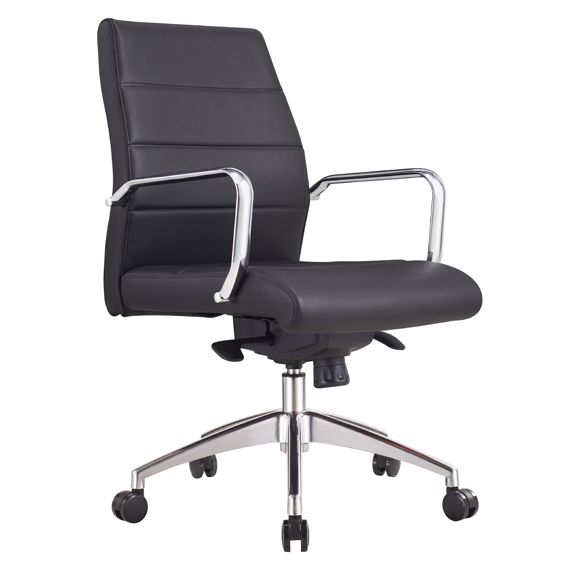
 Boardroom Chairs
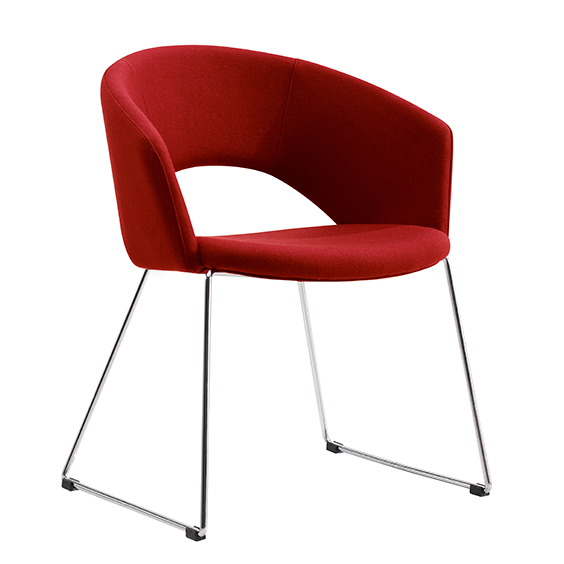 Client Chairs
 Conference Chairs
 Drafting Chairs
 Education Chairs
 Ergonomic Office Chairs
 Executive Chairs
 Home office chairs
 Meeting Room Chairs
 Mesh Chairs
 Task Chairs
 Training Chairs
 Corner Desks
 Executive Desks
 Express Desks
 Reception Desks
 Sit/Stand Desks
 All Sit/Stand Desks
 Add-on Height Adjustables
 Height Adjustable Desks
 Standing Matts
Insights

A good-quality office chair can often last around 5–10 years, but that should be treated as a general guide rather than a replacement deadline. How long an office chair lasts depends on its construction, materials, hours of use, whether it is shared, the load placed on it and how well it has been maintained.
Different components can also wear at different rates, which is why a chair’s overall condition matters more than its age alone.
A five-year-old chair that remains stable, supportive and fully functional may still have years of useful service left, while a newer chair with worn components or failing adjustments may need attention much sooner.
Ultimately, the better question is not simply how old the chair is, but whether it still provides the support, stability and functionality required for the way it is being used.
How Long Do Office Chairs Usually Last?
There is no single lifespan that applies to every office chair. As a general guide, a good-quality office chair may last around 5–10 years, but the actual lifespan depends heavily on its level of use.
- Occasional home-office use: A well-made chair may last 10 years or more because it accumulates fewer sitting hours.
- Full-time workstation use: A quality chair used throughout the working week may commonly provide around 5–10 years of useful service.
- Shared or hot-desk use: Frequent use by different people can increase wear, so some chairs may have a shorter useful life, often around 5–7 years.
- High-use commercial environments: Chairs used for extended periods or across multiple shifts may wear faster and may need attention sooner than standard office seating.
This is why usage intensity can be more informative than the purchase date when reviewing office seating. For a business, it can also mean that chairs purchased at the same time may not all need replacing at the same time.
Warranty periods should be considered separately. A warranty tells you how long particular faults or components may be covered under the manufacturer’s terms; it does not establish how long the chair will remain useful.
What Affects the Lifespan of an Office Chair?
Beyond how often it is used, several factors can affect how quickly an office chair wears.
- Build quality: The frame, base, gas lift and mechanisms need to withstand repeated movement and loading. Chairs designed for regular commercial use are generally better suited to sustained workplace use.
- Materials: Seat foam can compress, mesh may lose tension, upholstery can wear and castors can deteriorate. Individual components may wear at different rates.
- Weight and load: Regularly exceeding the manufacturer’s stated weight rating can place additional strain on the frame, base and mechanisms.
- How the chair is treated: Dropping heavily into the chair, placing excessive weight on armrests or forcing adjustments can accelerate wear.
- Maintenance and conditions: Keeping castors clean, checking loose fittings and using appropriate cleaning methods can help reduce unnecessary wear.
7 Signs It’s Time to Replace Your Office Chair
Age alone does not tell you when to replace an office chair. What matters more is whether the chair is still stable, supportive, functional and suitable for the person using it.

1. The Seat Cushion Has Lost Its Support
Seat foam naturally softens with use, but there is a difference between normal ageing and a cushion that has become permanently flattened.
Signs to look for include:
- a visible or permanent dip in the seat
- foam that no longer springs back properly
- being able to feel the firmer seat structure beneath the foam
If the rest of the chair is still in good condition, a worn seat does not always mean the whole chair must be replaced. On some models, the seat pad or upholstery may be replaceable. If the seat structure itself is damaged or several other components are also worn, replacement may make more sense.
2. The Chair Wobbles or Feels Unstable
A small amount of movement can sometimes come from a loose fitting that simply needs tightening. Persistent wobbling, however, deserves a closer look.
Check whether the movement is coming from the base, frame, backrest connection or another structural component. Cracks, bent parts or movement that remains after basic adjustment are more significant than a single loose screw.
If the instability comes from a damaged frame, base or other structural component, replacement is usually more sensible than continuing to use the chair.
3. The Height Adjustment Keeps Sinking
One of the most common signs of a worn office chair is a seat that slowly drops after the height has been set.
This usually points to an issue with the gas lift rather than the entire chair. On many office chairs, the gas lift can be replaced, so this problem alone does not automatically justify buying a new chair.
Replacement becomes more reasonable when the gas lift is only one of several failing components, or when compatible replacement parts are difficult to source.
4. The Adjustment Mechanisms No Longer Work Properly
An office chair should allow its main adjustments to work smoothly and hold their position.
Problems may include:
- tilt or recline that no longer locks correctly
- armrests that will not stay in position
- lumbar support that no longer adjusts
- controls that are stiff, loose or unresponsive
One faulty adjustment may be repairable. Several failing mechanisms at the same time can indicate broader wear and make replacement more economical than continuing to repair individual parts.
5. The Backrest or Lumbar Support No Longer Supports You Properly
The backrest should remain secure and provide the level of support the chair was designed to offer.
Over time, backrest components can loosen, mesh can stretch, padding can compress or adjustable lumbar systems can stop holding their position. If the chair can no longer be adjusted to provide the support required by its user, its usefulness is reduced even if it still looks acceptable.
The issue here is not simply appearance. It is whether the chair can still perform the function it was chosen for.
6. The Upholstery, Mesh or Components Are Badly Worn
Not every scratch, scuff or mark means a chair needs replacing. Cosmetic wear is normal, particularly in busy workplaces.
More substantial deterioration deserves closer attention, such as:
- torn or badly stretched mesh
- exposed or severely compressed foam
- cracked or broken armrests
- damaged castors or base components
- loose or broken structural parts
The distinction is simple: cosmetic wear affects how the chair looks; functional deterioration affects how it performs.
7. The Chair No Longer Suits How You Work
Sometimes the chair itself has not failed at all. The problem is that the way it is being used has changed.
A chair that worked well for occasional use may not be suitable after someone moves to full-time desk work. A chair reassigned to another employee may not provide the seat dimensions, adjustment range or support that person needs. Workstation requirements can also change over time.
In these situations, replacing the chair for that particular user does not necessarily mean disposing of it.
A functional chair may be better suited to a meeting room, occasional-use desk or another employee whose requirements are different.
In other words, a chair can reach the end of its useful life for one person or workstation without reaching the end of its physical life.
Related Read: Best Ergonomic Office Chairs in Australia
Should You Repair or Replace an Old Office Chair?
Finding a problem with an office chair does not automatically mean it needs to be replaced. In many cases, the better decision is to assess what has failed, how serious the issue is and whether the chair is still suitable for its current use.
A simple way to think about it is:
| Decision | When it makes sense |
| Keep | The chair is stable, supportive and fully functional, with only minor cosmetic wear. |
| Repair | The problem is isolated, such as a worn gas lift, damaged castor or loose fitting, and the rest of the chair remains in good condition. |
| Reallocate | The chair still works properly but is no longer suitable for intensive workstation use or for the needs of its current user. |
| Replace | There are structural problems, substantial loss of support, several failing mechanisms or multiple worn components. |
Once you have identified the most suitable option, a few practical considerations can help guide what to do next:
- Keep It: If the chair still works properly, minor wear does not necessarily justify action. Cosmetic marks can often be ignored if they do not affect how the chair functions or fits the user.
- Repair It: Before replacing the chair, check whether the issue is limited to a part that can be serviced or replaced. Availability of compatible parts, repair cost and the overall condition of the chair should all be considered before deciding.
- Reallocate It: A chair may no longer suit a demanding workstation but still be useful elsewhere. Moving it to a meeting room, visitor area or occasional-use desk can extend its practical life without keeping it in a role it no longer suits.
- Replace It: Replacement becomes more practical when continued repairs no longer make sense, suitable parts are difficult to source or the chair no longer suits the user or workstation even after adjustments or minor fixes.
For workplaces reviewing several chairs at once, it is also worth assessing them individually. Chairs bought at the same time can wear at very different rates, so an office-wide replacement based purely on age may result in serviceable chairs being discarded unnecessarily.
How Can You Make an Office Chair Last Longer?
Regular care can help reduce avoidable wear and keep an office chair working properly for longer.
A few simple maintenance habits can reduce unnecessary wear:
- Clean the chair correctly: Use products and methods suitable for the upholstery, mesh, plastic or other materials, and follow the manufacturer’s care instructions where available.
- Keep castors clear: Hair, dust and debris can build up around castors and affect how smoothly the chair moves.
- Check loose fittings: Tighten accessible screws or fittings before minor movement develops into a larger problem.
- Use adjustments properly: Avoid forcing levers, armrests or recline mechanisms beyond their normal range.
- Stay within the chair’s specifications: Follow the manufacturer’s stated weight rating and intended use.
- Deal with small faults early: A worn castor, loose armrest or other isolated issue may be easier to address before it affects surrounding components.
Good maintenance can extend the useful life of a chair that is still in sound condition, but it cannot reverse significant wear such as badly compressed foam, damaged mesh or structural deterioration.
What Should You Look for in Your Next Office Chair?
Once replacement makes sense, the next chair should be chosen around how, where and by whom it will be used. A higher price does not automatically mean a better fit.
Consider:
- Intended use: A chair for occasional use does not need to meet the same demands as one used at a desk for most of the working day.
- Fit and seat dimensions: Check seat height, depth and width, particularly if the chair will be assigned to one regular user.
- Useful adjustments: Look for the adjustments the user actually needs, such as seat height, tilt, armrests and lumbar support.
- Back support: The backrest should feel supportive in the user’s normal working position and remain stable once adjusted.
- Weight rating: Make sure the chair is suitable for the intended user and its expected level of use.
- Materials and construction: Consider the frame, mechanisms, upholstery or mesh, as well as whether commonly worn components can be serviced or replaced.
- Warranty: Review what is covered, for how long and whether different components have different warranty terms.
- Workplace suitability: Desk height, flooring, available space and whether the chair will be shared can all affect which model makes sense.
Where possible, try the chair before deciding. Two chairs with similar specifications can feel quite different once you sit in them and test the adjustment range.
If you are comparing replacement options, Kelly’s Office Furniture offers both new office chairs and pre-loved office chairs, giving you the opportunity to compare different models, features, conditions and price points before deciding what best suits your workspace.
Need Help Choosing a Replacement Office Chair?
If your current chair is no longer performing as required, the next step may be to repair it, reallocate it to a less demanding role or replace it, depending on its condition and suitability.
When replacement makes sense, Kelly’s Office Furniture can help you narrow down suitable options for your workplace or home office. Browse suitable office chair options or speak with the Kelly’s team if you are unsure which type best suits your workplace or home office.
Frequently Asked Questions About Office Chair Lifespan
1. How Often Should an Office Chair Be Replaced?
There is no fixed replacement schedule. A chair should be assessed based on its condition, support, stability and functionality rather than automatically replaced after a particular number of years.
2. Can an Office Chair Last 10 Years?
Yes. A well-built office chair can last 10 years or longer, particularly when it is not subjected to intensive daily or shared use and is maintained appropriately.
3. How Long Do Ergonomic Office Chairs Last?
Being labelled ergonomic does not automatically make a chair more durable. Its lifespan still depends on construction quality, materials, mechanisms, frequency of use, weight rating and maintenance.
4. Is It Worth Repairing an Office Chair?
Repair can be worthwhile when the problem is limited to a replaceable component, such as a gas lift or castor, and the rest of the chair remains in good condition. If several components are worn or there is structural damage, replacement may be more practical.
5. Is a Second-Hand Office Chair Worth Buying?
A quality pre-loved office chair can be a worthwhile option if its condition, adjustments and overall suitability have been properly assessed. Check the frame, base, gas lift, castors, seat and upholstery or mesh before buying, and make sure the chair suits the intended user and level of use.
If you are comparing used options, see our guide to the best second-hand office chairs in Australia for practical buying considerations and chair recommendations.


 Lounges
 Stools
 Tables
 Ottomans and Accessories
 Glass Boards
 Monitor Arms
 Power and Data Solutions
 Screen Accessories
 Free Standing Screens
 Filing Cabinets
 Lockers
 Mobile Pedestals
 Flip Top Tables
 Meeting Tables